Are you ready to deepen your trust in God and invite His guidance into every aspect of your life? Look no further – we’ve got just what you need! Introducing our FREE printable ‘Trusting God with Your Life: 21 Journal and Prayer Prompts’ resource. Whether you’re a seasoned believer or just starting your faith journey, this collection of prompts is designed to help you cultivate a stronger connection with God, surrendering control and embracing His plans for your life. So grab a pen, find a quiet corner, and let’s embark on this transformative journey together. Trust us, it’ll be worth it!
In a world filled with chaos and constant distractions, finding stillness and seeking God’s guidance can be challenging. Yet, the Bible encourages us to “Be still, and know that I am God” (Psalm 46:10). This powerful verse from Psalm 46 serves as the foundation for “Stillness and Knowing,” a printable scripture memory journal designed to help you deepen your connection with God and find peace amidst life’s storms.
Let us remember that being still is not about idleness; it is an active surrender, a conscious decision to trust God with every aspect of our lives. Through stillness, we come to know God intimately, experiencing His love, guidance, and presence like never before. As we engrave Psalm 46:10 in our hearts, let us carry its wisdom with us every step of the way. May this journey of stillness and knowing God continue to shape us, transforming our lives into a beautiful symphony of trust, surrender, and unyielding faith. Embrace the stillness, and embark on a lifelong journey of discovering the profound joy of knowing God intimately in the midst of life’s storms.
I hope this journal will be a tool that can transform your spiritual journey. By embracing stillness and delving into the depths of Psalm 46:10, I pray you can find peace and wisdom in God’s presence. As you make scripture memory a habit, you’ll witness the transformation of your thoughts, actions, and perspective. Through this journal, may you experience a profound connection with God and a deeper understanding of His unfailing love.
There are many different names and titles for God in the Bible, each one revealing something unique about God and His character. Some of the most common names of God include Yahweh, Elohim, Adonai, and Jehovah. Each name has a special meaning and significance, providing insight into the nature of God. As you study the different names of God, you will gain a deeper understanding of who He is and what He means to you.
What are the different names and meanings of God in the Bible?
Yahweh
Yahweh is the most common name for God in the Bible, and it is generally used to refer to Him as the one true God. This name comes from the Hebrew word for “I am,” which is a declaration of God’s existence. It is also used to indicate His eternal nature, as He has always existed and will always exist. Yahweh is a powerful name that reflects the might and majesty of God.
Adonai
Adonai is a common name for God in the Bible, and it is generally used to refer to Him as the Lord Almighty. This name comes from the Hebrew word for “lord,” which indicates His role as the ruler of all things. Adonai is a powerful name that reflects the authority and power of God.
When you call on Adonai, you are acknowledging His role as the ruler of all things. He is the one who has ultimate authority and power over all of creation. When you call on Adonai, you are declaring your faith in His ability to rule and reign over all things.
Jehovah
Jehovah is a personal name for God. This name is used throughout the Old Testament, and it’s thought to mean “the one who is,” or “the existing one.”
Jehovah is used over 6,800 times in the Old Testament.
Jehovah Jireh
In the Old Testament, Jehovah-Jireh is first used in Genesis 22:14 when Abraham is about to sacrifice his son, Isaac. Abraham sees a ram that is caught in a thicket and sacrifices it instead.
The name Jehovah-Jireh means “the Lord will provide.” This name reminds us that God always provides for our needs, even when we don’t know it or understand it.
God provided for Abraham’s need by giving him a Ram to sacrifice instead of his son. He also provided for our greatest need by sending His Son, Jesus, to die on the cross for our sins. Because of what Jesus did, we can have forgiveness and eternal life.
Jehovah Nissi
Jehovah-nissi is the name given to an altar that Moses built at the command of God, after the Israelites’ victory over the Amalekites in Exodus 17:8-16. The name Jehovah-nissi means “the Lord is my banner”, and refers to God’s protection of the Israelites in battle.
The story of Jehovah-nissi is a reminder that God is always with us, even in the midst of battle. When we are fighting for our lives, He is there to give us strength and courage. When we feel like we can’t go on, He gives us hope.
Jehovah-nissi is a reminder that no matter what we face in life, God will never leave us or forsake us.
Jehovah Rapha
Jehovah Rapha is a Hebrew name for God that means “the Lord who heals.” It is found in Exodus 15:26, where God tells Moses that He is the one who will heal the Israelites from all their diseases. This promise of healing is repeated throughout the Bible, and it is still something that God offers to His people today.
Whether we are sick in body, mind, or spirit, Jehovah Rapha can bring us healing. He knows what we need and when we need it, and He is always willing to help us if we turn to Him. Sometimes His healing comes in miraculous ways, but often it comes through the loving care of others or simply by giving us the strength to carry on.
No matter what kind of healing we need, we can trust that Jehovah Rapha will provide it.
Jehovah Shammah
The Hebrew phrase Jehovah Shammah means “the Lord is There.” This name for God is found in the book of Ezekiel, specifically in chapter 48:35. The phrase is used in reference to the new city that God will establish, which is often seen as a symbol for the future hope of restoration and redemption.
For Christians, Jehovah Shammah can be seen as a reminder that God is always present, even in the midst of difficult times. It can be a source of comfort and hope, knowing that God is with us always. Even when we don’t feel His presence, we can trust that He is there with us.
Jehovah Shammah can also serve as a challenge for us to live our lives in such a way that reflects His presence.
Jehovah Tsidkenu
The phrase “Jehovah Tsidkenu” means “the Lord our righteousness.” This phrase is used to describe God’s role as our advocate and judge. In the Hebrew Bible, Jehovah Tsidkenu is used as a title for God. This title emphasizes God’s role as the one who provides us with righteousness.
In Jeremiah 23:6, Jehovah Tsidkenu is used to describe how God will restore Israel after they have been exiled. The book of Ezekiel also uses this phrase to describe how God will save his people from their enemies. In both of these books, the phrase Jehovah Tsidkenu emphasizes how God is our righteousness and how he will save us from our enemies.
Jehovah Mekoddishkem
The Hebrew word Jehovah Mekoddishkem is derived from a verb meaning “to set apart, to sanctify.” The basic meaning of the name is “the Lord who sets apart” or “the Lord who sanctifies.”
This name appears in the Old Testament, specifically in Exodus 31. In this passage, God is instructing Moses to tell the Israelites that He has set them apart from all other people. They are to be holy because He is holy.
The implications of this name are that God has chosen the Israelites for a specific purpose. He has sanctified them and set them apart from all other nations. This choice comes with both privileges and responsibilities. As God’s chosen people, they are to represent Him well and obey His commands.
Jehovah Raah
Jehovah Raah occurs seven times in the Bible, most notably in Psalm 23:1.
The word Jehovah is derived from the Hebrew verb havah, meaning “to become” or “to come into being.” Raah comes from the root word ra’eh, which means “to see” or “to perceive.” Thus, Jehovah Raah can be translated as “the One who sees” or “the One who causes to be seen.”
In the context of Psalm 23, Jehovah Raah represents God’s care and provision for His people. He is the Good Shepherd who leads and protects His flock. This name for God is a source of comfort and hope for all who trust in Him.
Jehovah Sabaoth
Jehovah Sabaoth is a Hebrew term that refers to God as the Lord of Armies or the Lord of Hosts.
So what does Jehovah Sabaoth mean? It refers to God as the ruler and protector of all armies and all people. He is the one who gives victory in battle and brings peace to his people. He is also the one who punishes those who disobey him and fight against him.
Jehovah Sabaoth is a powerful name for God, and it reminds us that he is always with us, no matter what we are facing in life.
Elohim
Elohim is a powerful name for God that reflects His role as the one true God. This name comes from the Hebrew word for “God,” which indicates His role as the one who created everything. Elohim is a magnificent name that reflects the majesty and power of God.
Elohim is the name of God that is most often used in the Bible. It is a plural form of the word El, which means “god” or “power.” Elohim is used to refer to the one true God, as well as to false gods.
The name Elohim appears throughout the Bible, and it is often used in conjunction with other names for God. For example, Jehovah Elohim is the name for God that is used in the “shema,” which is the central creed of Judaism. This name reflects the fact that Jehovah is the one true God, and that He is to be worshipped above all others.
Elohim is a powerful and evocative name for God. It reflects His role as the creator and sustainer of all things. When we understand the meaning of this name, we can better appreciate the magnitude of who God is and what He has done for us.
El Shaddai
El Shaddai is a powerful name for God that reflects His role as the Almighty God. This name comes from the Hebrew word for “God,” which indicates His role as the one who created everything. El Shaddai is a magnificent name that reflects the majesty and power of God. He is the one who is above all things, and His power is unmatched. He is the one who provides for His people, and He is the one who protects them. El Shaddai is a powerful name that should be revered and respected.
El Shaddai by Amy Grant is a beautiful song that includes some of these names of God. If you haven’t heard it before you should definitely listen to it.
El Elyon
El Elyon is a powerful name that reflects the supremacy of God. It is first used in Genesis 14:18-20, where it is applied to God as the Most High. El Elyon is also used in Psalm 78:35 and Deuteronomy 32:8-9. It speaks of His authority and power as the Most High God. When we call upon El Elyon, we are acknowledging that He is the highest authority and that His power is unmatched. This name is a reminder that we can always rely on God’s strength and might.
El Olam
El Olam is a name for God that is found in the Bible. It comes from the Hebrew word for “the eternal God,” and it is used to indicate His role as the one who exists forever. El Olam is a powerful name that reflects the eternity of God.
God is eternal, and His existence stretches back before time began. This is what the name El Olam reflects. It is a reminder that God is not bound by time or space. He is above all of creation, and His power is unmatched.
When we consider the name El Olam, we are reminded of the never-ending nature of God. He is and always will be exactly the same; yesterday, today, and forever. His endless love never ceases, and His kindness endures forever. If we put our trust in Him, we can be confident that He will always be there for us.
No matter what we call Him, God is the one who created everything and who provides for His people. If we put our trust in Him, we can be confident that He will always be there for us. I hope you enjoyed looking at some of the names of God.
The Names of God Printable Wall Art
When you want to remember the many names of God, what better way to do so than with a beautiful piece of wall art? These 8×10 printable artworks feature the different names of God. You can download them for free below and print them out at home to hang on your wall or keep in your Bible study notebook.
There are so many wonderful benefits to meditating on the different names of God. It helps us to know Him more intimately and understand His character better. As we reflect on each name, we can deepen our relationship with Him. So go ahead and download your free printable artwork today!
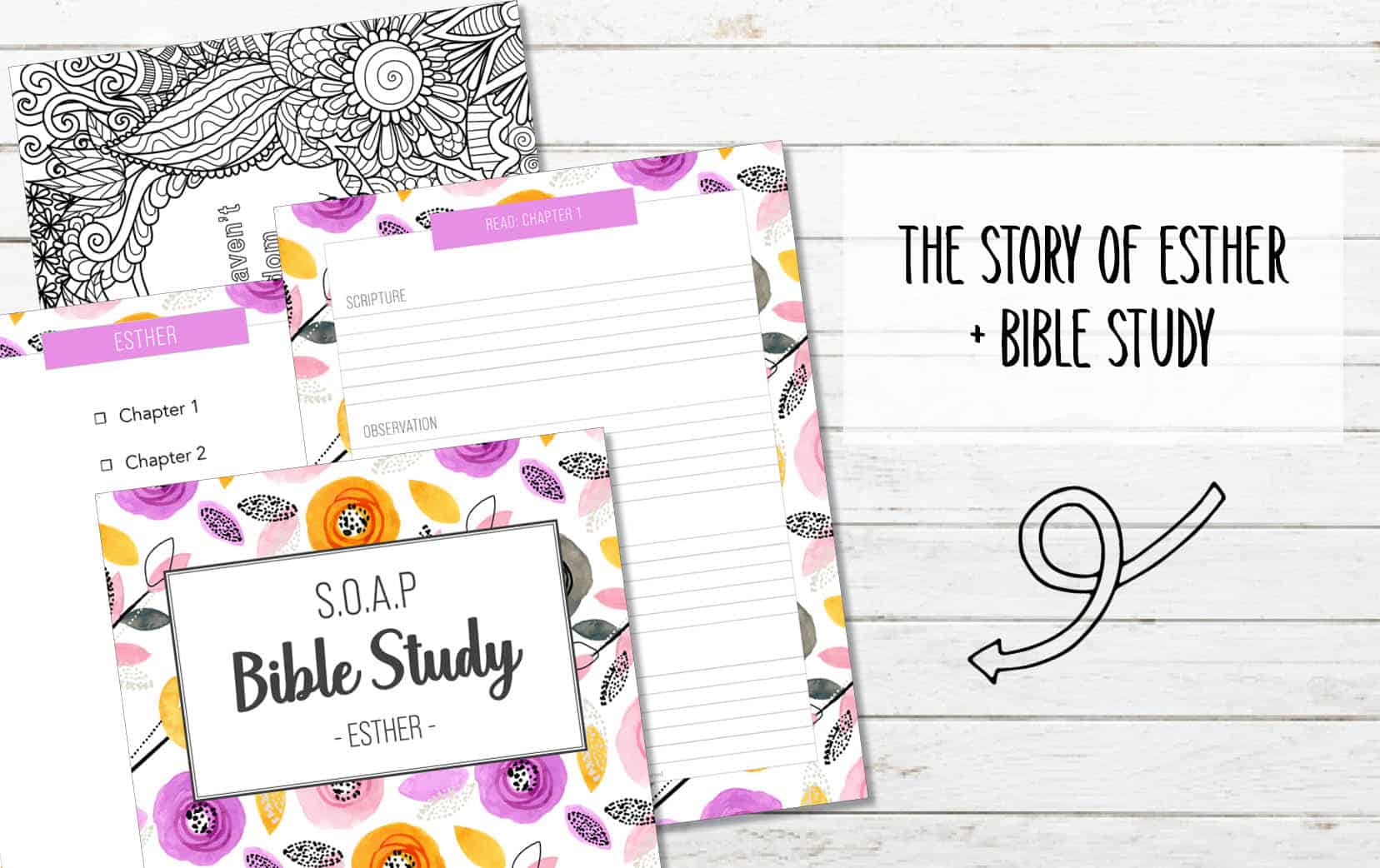
The book of Esther is found in the Old Testament and tells the story of a Jewish woman, Hadassah (also known as Esther), who married the King of Persia. The King’s advisor, Haman, hated the Jews and convinced the King to order their extermination. Esther’s cousin Mordecai convinced her to go to the King and plead for her people. She risks her life by going before the king and he spares the Jews. Haman was then hanged on the gallows that he had built for Mordecai.
The story of Esther teaches us about courage and faith. We can all learn from her example, and be encouraged by her story.
Characteristics of Esther in the Bible
There are many characteristics of Esther that can be found in the Bible. Perhaps one of the most striking characteristics is her beauty. The Bible describes her as “lovely in form, and features” (Esther 2:7). This physical beauty was likely a major factor in why she was chosen to be queen.
Another significant characteristic of Esther is her courage. This is most clearly seen when she risks her life to save her people, the Jews, from being exterminated by the king’s decree. She does not hesitate to go before the king even though she knows it could cost her life.
What we can learn from Esther’s story
The book of Esther is a story that teaches many lessons. One of the most important lessons is that God is always in control. no matter what we face in life, God is always there for us. He has a plan for our lives and will use everything to work out His plan, even if we don’t understand it at the time.
Another lesson we can learn from Esther’s story is the importance of being obedient. Esther was obedient to her uncle Mordecai when he asked her to go before the king and plead for her people, even though it put her own life at risk. Because she was obedient, God used her to save the lives of her people.
FREE Printable bible Study on Esther
The life of Esther is a great story of a woman who was saved by God to be used for His purposes. Check out the Bible Study below to learn more about Esther and grow in your faith.
This study is a free printable, so you can use it anytime, anywhere.
Jehovah Jireh is our provider. He is always there for us, ready to help us in our time of need. We can trust Him to provide for us, and we can be assured that His provision is always good and perfect. Jehovah Jireh meets both our physical and spiritual needs. He is a loving God who always has our best interests at heart. We can rely on Him to provide for us—no matter how big or small the need.
What does Jehovah Jireh mean?
The name Jehovah Jireh comes from the Hebrew words “Jehovah” (YHWH, meaning “The Lord”) and “Jireh” (from ra’ah, meaning “to see” or “to provide”). Together, the name means “The Lord will provide.”
It is a beautiful name that reminds us God sees our needs and provides for them at the right time, in the right way.
Where is Jehovah Jireh is mentioned in the Bible?
The name Jehovah Jireh, meaning “The Lord Will Provide,” is found in Genesis 22:14. This is where Abraham names the place where God provided a ram in place of Isaac: “And Abraham called the name of that place Jehovahjireh: as it is said to this day, In the mount of the Lord it shall be seen.”
While the specific name Jehovah Jireh is not used elsewhere in Scripture, the theme of God’s provision is seen throughout the Bible. For example, Isaiah 41:10 powerfully reassures us of God’s sustaining presence: “Fear thou not; for I am with thee: be not dismayed; for I am thy God: I will strengthen thee; yea, I will help thee; yea, I will uphold thee with the right hand of my righteousness.” Though this verse does not use the name Jehovah Jireh, it beautifully reflects God’s heart as our faithful Provider and Helper.
Examples of Jehovah Jireh’s provision
Jehovah Jireh has always been there for us, providing for our needs in times of need. He has provided food for the hungry, water for the thirsty, shelter for the homeless, and comfort for the grieving. He is a faithful God who always keeps His promises. We can trust Him to provide for us, no matter what situation we find ourselves in.
Below are some examples of God’s provision in the Bible:
God provided a lamb for Abraham
In Genesis 22 Abraham was told to sacrifice his son Isaac, he didn’t know how he would be able to go through with it. But God provided a way out, sending a lamb to be sacrificed in Isaac’s place. This was a foreshadowing of the ultimate sacrifice that Jesus would make for us on the cross. Just as God provided a lamb for Abraham, He also provided His own Son as a sacrifice for our sins.
God provided manna for the Israelites
In Exodus 16 the Israelites were hungry and desperate wandering the desert. But God provided for them in their time of need, giving them manna to eat. This miraculous food sustained them in the wilderness and was a sign of God’s provision for His people.
God provided a way out of slavery for the Israelites
Exodus 12 tells the story of how when the Israelites were in slavery in Egypt, they cried out to God for help. He heard their cries and provided a way out, leading them through the desert to freedom. This was just one of the many ways that Jehovah Jireh has provided for His people.
Even in our own lives, we can see how God has provided for us in times of need.
Bible verses on Jehovah Jireh
There are many Bible verses about Jehovah Jireh that talk about His role as our Provider. Here are a few of them:
“I will praise Jehovah, who counsels me; even at night my heart instructs me.” (Psalm 16:7)
“The Lord is my shepherd; I shall not want. He makes me lie down in green pastures; he leads me beside still waters. He restores my soul. He leads me in paths of righteousness for his name’s sake. Even though I walk through the valley of the shadow of death, I will fear no evil, for you are with me; your rod and your staff, they comfort me. You prepare a table before me in the presence of my enemies; you anoint my head with oil; my cup overflows. Surely goodness and mercy shall follow me all the days of my life, and I shall dwell in the house of the Lord forever.” (Psalm 23:1-6)
“For he satisfies the longing soul, and the hungry soul he fills with good things.” (Psalm 107:9)
“I will lift up my eyes to the hills-from whence comes my help? My help comes from the Lord, who made heaven and earth.” (Psalm 121:1-2)
“that he may deliver their soul from death and keep them alive in famine.” (Psalm 33:19)
“Our soul waits for the Lord; he is our help and our shield.” (Psalm 33:20)
Why we can trust Jehovah Jireh to provide for us
We can trust Jehovah Jireh to provide for us because He is a loving God who always has our best interests at heart. He is faithful and reliable, and He never fails to keep His promises. We can rely on Him to meet all of our needs, both big and small.
God is our Provider, and we can trust Him to meet all of our needs. He has always been faithful to His people, and He never fails to keep His promises. We can rely on Him to provide for us in times of need, no matter what situation we find ourselves in. Thank you for reading this post about Jehovah Jireh, the Provider. I hope it has been a blessing to you!
What is your identity in Christ? Why is it important to know it? And how do you find it? Let’s explore some important biblical concepts and find out what your identity in Christ is. Jesus was born as a human, but he became God in order to save us from our sins. He suffered, died, and rose again for us, and now we are the children of God. Through Him, we have eternal life, and we are worthy of living as He did.
What is your identity in christ?
As Christians, we are told that our identity in Christ comes from God. This truth is higher than the world’s, and it provides a strong foundation. The following are five empowering truths about our identity in Christ. Let’s examine each of them one by one. They will help us identify areas of our lives where we are not living in our identity. How do you know if you’re living in your identity?
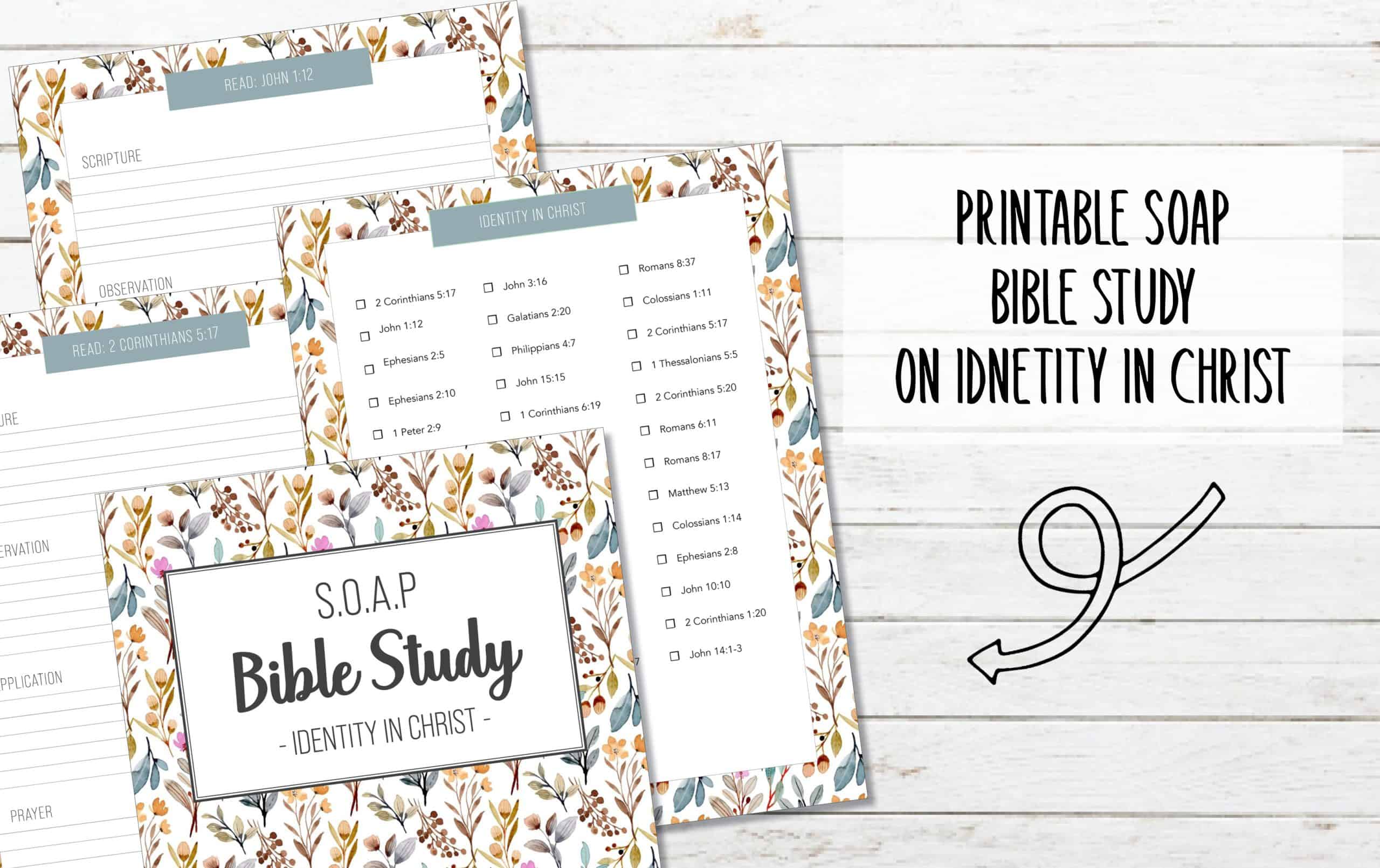
As Christians, our calling is to glorify God and to become like Christ. Therefore, defining our identity as a Christian begins with finding our identity in Christ. We must choose to believe that we are who we are in Christ, and then act accordingly. To help us identify our identity in Christ, here’s a printable that you can use as a reminder:
Our identity in Christ is based on God’s Word. In Galatians 2:20, we learn that when Jesus enters our hearts, we are given new life and that our whole world is centered on Christ. When we accept Christ as our Savior, we become empowered to live a life of royal authority and purpose. We can do this by rejecting worldly behavior and relying on what Christ says about us.
Why do you need to know your identity in christ?
Knowing your identity in Christ requires a commitment to repentance. When you know your identity in Christ, you agree with God and begin to reflect His character and will. Accepting this will lead to spiritual growth, and will allow you to make the right decisions for your life. Knowing who you are in Christ is a critical foundation for living a fruitful Christian life. You must learn to live as if you are in Christ.
Your identity in Christ is not hidden from others. It is protected by Him, so you must choose to believe it. Your identity is reflected in the words of the Bible, and believing that God has spoken about you in His word is a necessary step toward living a fruitful life. To find your identity in Christ, start by reading the Bible every day and saying what you hear. Practice this every day, and use the printable to remind yourself that you are who God made you to be.
Knowing your identity in Christ is important because knowing it will guide your thinking and actions. As a son of God, you are entitled to greater freedom and privilege than a slave. This truth can help you deal with the pressures of the world. The world is broken because of sin, and you can face unspeakable injustices and temptations. It can be difficult to stay strong and confident in your identity in Christ, but the Holy Spirit will give you the strength to overcome these obstacles.
How to find your identity in christ
What does it mean to find your identity in Christ? To find your identity in Christ means to believe that you belong to Christ, not to the world around you. Your identity in Christ does not have to be a mystery, because Jesus tells you that it is written in His word. You can find your identity in Christ if you know who He is and what He has done for you. Moreover, your identity in Christ is protected.
The Bible teaches that when Jesus enters your heart, you become a new person. When you live for Christ, you become a new creation, where your identity is permanent. It cannot be revoked, changed, or abandoned. You have become part of the family of God. And because you are God’s child, you can enjoy His love and forgiveness. Once you have accepted Christ as your savior, you will reject every worldly behavior and begin walking in royal authority and purpose. Once you are walking in Christ, you will want to embrace His words and trust in His promises.
You must recognize that your identity in Christ is rooted in Christ, and that you must live for Him. Once you have come to know Christ, your identity will be secure in him, and you will be able to express God’s love to others. The more you live for Him, the more you will desire to spread the gospel and serve Him. Once you know who you are in Christ, you will be free to share your faith and celebrate being God’s child.
Below is a FREE bible study to help you explore your identity in Christ and most importantly see what the Bible has to say about it. I hope you enjoy going through this study. I also have printable identity in christ bookmarks,coloring pages and wall art you can download too.
Hi, I'm Steph! I want to equip you with faith resources to encourage a love of Gods word in your life.
DISCLAIMER
Some of the links on this website are affiliate links of which My Printable Faith receives a small commission from sales of certain items, but the price is the same for you. As an Amazon Associate I earn from qualifying purchases.
TERMS OF USE
All our printables are for personal or free ministry use only.
If you wish to share our printables on your website, you may do so with a do-follow backlink to the blog page and credit. You may not share the files or images directly on your site.